Many business owners and managers have a lot on their plates. It’s easy to push formal budgeting aside when you’re busy running day-to-day operations. In fact, as companies grow, budgeting and forecasting often get put on the back burner while other priorities take over. But creating a solid budget and regularly forecasting your financial future isn’t just a bureaucratic exercise it’s a practical necessity for steering your business toward success. This comprehensive guide will break down what budgeting and forecasting are, why they matter (especially for Canadian businesses), how to do them effectively, and how to avoid common pitfalls along the way.
What Is Budgeting?
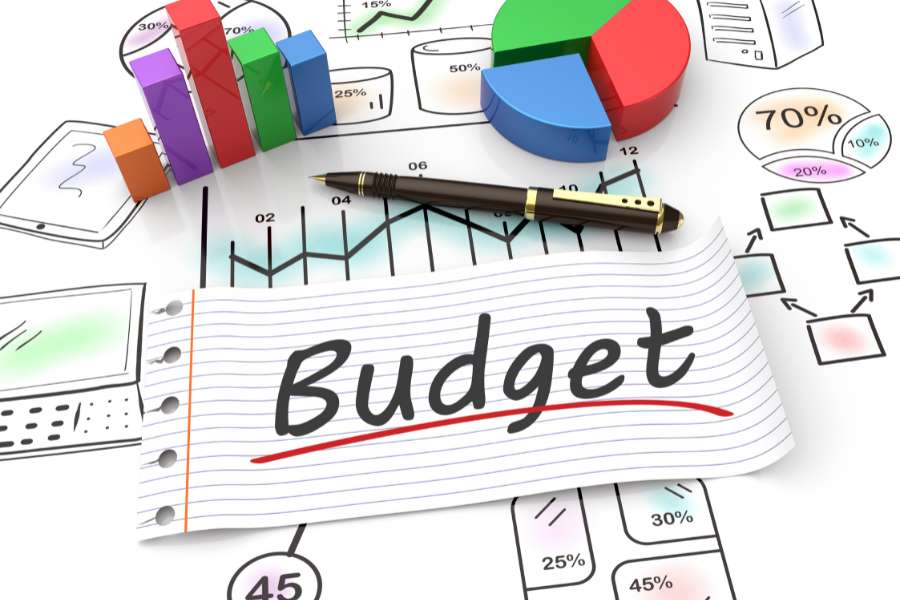
Budgeting is the process of planning your company’s finances for a specific period, often a fiscal year. In a budget, you outline expected revenues, allocate expenditures, and decide how to use your financial resources over that timeframe. The result is usually a set of detailed financial documents typically including an income statement, balance sheet, and cash flow statement that map out your plan in numbers.
A good budget forces you to take a hard look at your business’s finances. You’ll be estimating how much money will come in and deciding where it should go. This process means identifying your cash sources (like sales revenue, investments, loans) and planning out uses of cash (like operating expenses, salaries, marketing, rent, etc.). Management has to examine each expense for viability and necessity. By the end, the budget becomes a financial blueprint for the upcoming period.
Key benefits of budgeting include setting clear financial goals for the company and providing a baseline to measure performance. A budget essentially provides targets – it gives everyone from executives to department managers a concrete set of expectations to strive for. For example, if you budget $500,000 in sales next quarter, that number becomes a goalpost to rally around. The budgeting process also encourages discipline: it documents where cash should come from and where it’s allowed to go, which helps anticipate cash flow needs. Budgets promote accountability (by later comparing actual results to the plan) and help align the team since people know the limits and objectives up front.
However, a budget is usually a static plan. It’s created before the period starts, based on a specific set of assumptions about the business and market. Because it’s prepared in advance and fixed for the period, a budget can become outdated if those initial assumptions don’t hold true. Once reality unfolds, you might find that conditions have changed – and that’s where forecasting comes in.
What Is Forecasting?
Forecasting is the process of predicting future outcomes by analyzing current and historical financial data. Unlike a budget (which is a firm plan), a forecast is more of an ongoing update about where things are likely heading. Forecasts take into account your most recent actual results and any new developments (good or bad) to project what the business financials will look like in the near future.
Key features of forecasting include: it’s done more frequently (often monthly or quarterly) and it typically looks at a shorter-term horizon on a rolling basis. For instance, after each month-end close, a company might revise its forecast for the remainder of the year based on how that month went. Forecasts usually focus on high-level figures like major revenue streams, key expenses, and important performance metrics rather than detailing every line item. Because they are updated regularly with current data, forecasts tend to be more realistic in real-time – giving a quick sense of whether you’re on track or need to adjust course.
Benefits of forecasting include the ability to spot trends and issues early. A good forecast shines a light on emerging patterns in your business performance. For example, you might notice sales slowing or costs creeping up in the forecast, which alerts you to take action sooner rather than later. Forecasting also makes it easier to manage cash flows and plan financing needs because you have an updated view of where the money is likely to be a few months down the road. Moreover, having reliable forecasts can impress investors and lenders – it provides evidence-based insight into your company’s future trajectory, not just hopes or guesses.
One thing to remember is that a forecast is not set in stone. It’s an educated prediction, not a promise. No forecast will ever be 100% accurate, but even an imperfect forecast is better than flying blind. The goal is to keep refining your forecasts as new data comes in, so you’re always prepared to react to what’s happening.
Budget vs. Forecast: Understanding the Difference
Budgeting and forecasting are closely related, but they serve different purposes. Think of it this way: a budget lays out what you want to happen (your planned path), while a forecast estimates what is likely to happen given where you are now. Both are critical, and they complement each other, but they are not the same thing.
Here are some key differences between a budget and a forecast:
- Timeframe: A budget usually covers a longer period, often one fiscal year (sometimes with an eye on 2-5 years for strategic planning). A forecast typically covers a shorter rolling period – for example, projecting the remaining months of the current year – and is updated frequently as new information comes in. In other words, you generally create a budget annually, while you update forecasts quarterly or monthly as needed.
- Level of detail: Budgets tend to be very detailed, breaking down revenues and expenses into specific categories and line items. Forecasts, on the other hand, are often more high-level. They might revise expected totals for sales, key expense categories, and overall profit, without getting into the nitty-gritty of every minor expense.
- Flexibility: Once approved, a budget is usually fixed for the period – it’s an internal commitment of targets. Forecasts are inherently flexible; they’re meant to change whenever new data or events warrant an update. If your budget assumed a 5% growth in revenue but a new competitor is eating into sales, a forecast will reflect the lower growth expectation and help you adjust.
- Purpose: A budget is used for planning and goal-setting. It’s the financial game plan that management will try to execute. A forecast is used for decision-making and course-correction. It tells you whether you’re trending ahead or behind your budget, so you can make informed adjustments (cut costs, ramp up marketing, etc.) in real time.
- Disclosure: Budgets are typically internal documents and not shared outside the company. Forecasts, especially for public companies, are often shared externally as part of guidance to investors. Even privately, leadership might share forecast updates with a bank or board to show how the business is expected to perform.
- Reliability over time: A budget’s relevance tends to decline as time passes – a budget made 10 months ago may no longer reflect the reality of today if conditions changed. Forecasts, updated with current data, generally provide a more reliable view in the moment because they factor in what has actually happened recently.
In summary, you can think of the budget as the target and the forecast as the prediction. The budget defines where you want to go financially, and the forecast tells you where you are likely to end up if current trends continue. Both are needed to guide a business effectively.
Why You Need Both Budgeting and Forecasting
Some businesses ask, “If we have a budget, do we really need to do forecasting too?” The short answer is yes you need both. A budget and a forecast serve different roles, and together they keep your planning process robust and responsive.
Your budget is like a roadmap laying out the route you plan to take. But once you start the journey, real-world conditions can and will deviate from the plan. Market conditions change, unexpected expenses pop up, opportunities arise, or maybe sales don’t materialize as expected. In fact, it’s common for the assumptions made during budget creation to become outdated partway through the year. If you just stick rigidly to the budget without looking at new information, you could be steering blindly.
This is where the forecast comes in it’s like your GPS that keeps recalculating the route when you encounter detours. A forecast takes the latest actual data and tells you, “Given what’s happened so far, here’s where we’re heading now.” For example, if you decided mid-year to launch a new product or open a new location, the forecast will incorporate those changes and show their expected impact on revenue and expenses. Forecasting regularly (say monthly or quarterly) lets you and adjust your plans as needed.
By using budgeting and forecasting together, you practice proactive financial management. The budget sets your financial goals and limits beforehand, and the forecast helps you course-correct in real time to still meet those goals as closely as possible. If the forecast shows you falling behind on profit, you might decide to cut discretionary spending or push more sales efforts in the remaining period. Conversely, if forecasts show you exceeding targets, you might have room to invest in growth or set more ambitious goals next time.
In essence, budgeting and forecasting in tandem ensures you have both a plan and a feedback mechanism. Companies that leverage both are able to adapt to change more swiftly and effectively. They can seize opportunities and mitigate risks because they’re continually comparing “What did we plan?” vs. “What’s actually happening?” and making adjustments. This agility is especially important in today’s business environment, where conditions can change quickly.
How to Create an Effective Budget (Step by Step)
Creating a budget can feel daunting if you haven’t done it before, but it’s essentially a step-by-step process of laying out your financial story for the upcoming period. Here’s a straightforward approach to build a solid budget:
- Gather All Relevant Inputs: Start by compiling the key inputs to your budget. This includes your fixed costs (rent, salaries, utilities – the expenses that don’t change much month to month) and variable costs (like raw materials, commissions, or shipping fees that rise and fall with your volume of business). List out all your revenue streams as well. Essentially, you want a clear picture of what money comes in and what needs to go out. Collecting this information gives you the raw data you’ll base your budget on. It might help to pull last year’s financial statements as a reference.
- Review Historical Data: Look back at past financial performance to ground your budget in reality. Analyze your previous budgets or last year’s actual income and expenses. Note trends: for example, do sales spike in summer? Do certain costs routinely exceed expectations? Examining historical patterns helps you set realistic projections for revenue and spending in your new budget. If last year you grew revenue 5%, assuming you’ll grow 50% this year with no basis might be wishful – history provides a reality check.
- Engage Stakeholders and Team Members: Don’t craft the budget in a silo. Talk to other department heads or key team members about their needs and expectations for the year. For instance, ask your sales manager what their targets are, or your operations lead if they anticipate higher costs due to a new project. This collaboration serves two purposes: you get better information (e.g. the sales team might have insight into market demand that informs revenue projections) and you get buy-in. When people contribute to the budgeting process, they’re more likely to accept the final numbers and work towards them. It turns the budget from “just some finance plan” into a shared game plan.
- Plan for Major Investments or Big Expenses: Think about any capital expenditures or significant one-time costs that might occur during the budget period. Are you planning to purchase new equipment? Hire additional staff? Move to a bigger office? These big-ticket items need to be included in the budget so that you allocate funds for them and understand their impact on your cash flow. It’s better to anticipate and budget for a new delivery van or an office renovation now than to be surprised by the cost later. Including these ensures you won’t run short of cash for essential growth-oriented spending.
- Project Your Financial Statements: Once you have all the inputs and assumptions (from the previous steps), plug them in to create projected financial statements for the period. This means building out:
- An Income Statement (Profit & Loss): Project each revenue line and expense line for each month or quarter. This will show your expected profit (or loss) for the period.A Cash Flow Statement: Forecast how cash will flow in and out, month by month. Even if the P&L looks profitable, the timing of cash inflows vs. outflows is critical to ensure you can pay the bills on time.A Balance Sheet: Estimate your assets and liabilities at the end of the period based on the activities (for example, if you plan to take a loan or invest in equipment, that will reflect here). The balance sheet ensures your budgeted plan is financially sound (e.g., not taking on more debt than assets can support).
- Iterate and Refine: Now review the draft budget and see if it makes sense. Does the plan accomplish your business goals? For example, if growth is a goal, does the budget allocate enough resources to marketing and sales? Or if cost control is key, are expense projections sufficiently tight? Check if any assumptions seem too optimistic or pessimistic and adjust them. It’s often useful to do a reality check here: Is the budget realistic? The budget should be ambitious but achievable. If your initial pass shows, say, a doubling of revenue with only a 5% increase in marketing spend, you might want to rethink those assumptions as they could be overly optimistic. Make sure the final numbers are grounded in reality – “stretch goals” are fine, but they should still be within the realm of possibility based on historical data and reasonable expectations of the market.
- Get Approval and Communicate the Budget: For larger organizations, the final budget usually needs sign-off from top management or the board. But even in a small business, it’s important to formally approve the budget and then communicate it to everyone who has responsibility for achieving it. Share relevant parts of the budget with each department or manager. When people know their targets (for example, the sales team knows the revenue goal, the production team knows the cost limits), they can act in alignment with the plan. A budget sitting in a drawer helps no one, so make sure it’s understood and accessible to those who need to execute it.
By following these steps, you’ll have constructed a financial roadmap for your business. You’ll know what you expect to earn and spend, and you’ll have a benchmark to measure against as the year unfolds.
Tip: Once your budget is set, consider if it highlights any strategic opportunities. For instance, if you’ve budgeted a surplus (profit), you might plan how to reinvest that – maybe put it towards a new product development or pay down debt. A budget isn’t just about limiting spending; it’s also about discovering where you can grow. Think of it as a tool to help you decide where to allocate resources for the best impact.
How to Build a Reliable Forecast
Forecasting is a slightly different exercise from budgeting. Instead of making a plan from scratch, you’re updating your expectations based on reality as it unfolds. In practice, many businesses do a forecast at least every quarter some do it monthly to keep a rolling view of how the year (or next year) is shaping up. Here’s how to create a useful financial forecast:
- Define the Key Metrics and Areas to Forecast: Decide what you are going to forecast. Typically, a financial forecast will cover the core elements of your income statement – like total revenues, major expense categories, and profits. You might not forecast every single line item, but focus on the big picture numbers that drive your business (e.g. sales by main product lines, cost of goods, overhead costs, etc.). Think about which metrics really matter for gauging performance. For example, a SaaS software company might focus on forecasting subscription revenue and churn rate, while a retailer might zero in on same-store sales and inventory levels. By defining the scope, you know what information you need to gather.
- Start With Current Actuals (Latest Data): A forecast should always begin from where you are now. Take your most recent financial results as the baseline for your projection. For instance, if you’re forecasting mid-year for the remaining 6 months, start with the actual results of the first 6 months. This ensures the forecast reflects the current state of the business. Incorporate all up-to-date data you have – if last quarter’s sales were higher than expected, the forecast for future quarters should start from that higher base (unless you expect a drop). Using real, recent numbers grounds your forecast in reality.
- Choose the Forecast Time Horizon: Determine how far out you want to project. Common practice is to at least cover the remainder of the fiscal year in detail. Some companies maintain a rolling 4-quarter forecast or a rolling 12-month forecast that always extends a year from now. Others might forecast a couple of years ahead at a high level. Decide what’s useful for your needs – if you operate in a fast-changing environment, forecasting one year out with quarterly detail might suffice, whereas a more stable business might project 2-3 years in broad strokes. The key is to be consistent and update it regularly. Many organizations opt for rolling forecasts, where as each month or quarter ends, you add another future period to maintain a constant outlook (e.g., every quarter you extend the forecast another quarter ahead). This practice keeps you always looking at least a year ahead without waiting for the annual budget cycle.
- Identify Trends and Drivers: Analyze historical trends and recent patterns to inform your projections. If revenue has been growing at 10% per quarter consistently, is it reasonable to assume that will continue? Look at seasonal patterns (maybe Q4 is always your big sales quarter). Also consider operational drivers – for example, if you plan to hire two new salespeople, the forecast for sales could be adjusted upward to account for their contribution. Essentially, ask “What factors will influence these numbers going forward?” and adjust accordingly. This step is where institutional knowledge and insight come in: you’re layering qualitative expectations onto the quantitative data. If you know a competitor closed down, you might forecast capturing some of their market share (increasing your sales). If you foresee raw material prices rising, you might forecast higher costs.
- Factor in Upcoming Changes or Events: Think about any known or anticipated events that could impact your financials and incorporate those into the forecast. This could include:
- Market or Economic Changes: e.g., an economic downturn, new regulations, changes in consumer trends.Company Initiatives: e.g., launching a new product, entering a new market, running a major marketing campaign.External Events: e.g., supply chain disruptions, a pandemic resurgence, seasonal events like holidays.
- Build the Forecast Numbers: With the above considerations in mind, start forecasting your figures period by period. Many businesses use a spreadsheet or software for this. For example, if you’re forecasting monthly, go month by month for each key line: project sales based on expected growth rates or known orders in pipeline; project expenses based on fixed vs variable split (fixed costs you carry forward, variable costs tied to sales or production volume). One simple technique is to use run rates – take the current month’s number and adjust it for expected changes. If you made $100k sales this month and you know a new client worth $10k/month is starting next month, you might forecast $110k for next month (plus any growth trend).
- Include Different Scenarios (if possible): Forecasting often involves uncertainty, so it can be helpful to do a couple of versions – perhaps a base case, an optimistic case, and a pessimistic case. For instance, your base case forecast might assume moderate growth continues, the optimistic one assumes a best-case sales surge, and the pessimistic one plans for a downturn or loss of a key client. Scenario planning like this prepares you for a range of outcomes. Even if you only present one official forecast, having those alternative scenarios in your back pocket can be invaluable if things change suddenly. (Many companies learned this in 2020 – having a pandemic scenario versus a normal scenario helped them react quickly when the unexpected happened.)
- Review and Update Regularly: A forecast is not a one-and-done document – its value comes from being refreshed regularly. Establish a cadence (monthly, quarterly, etc.) to revisit your forecast. When actual results come in, compare them to the last forecast. Note any big variances (e.g., sales were 10% lower than forecast – why?) and update future projections accordingly. Regular updates mean your forecast is always aligned with reality. This practice allows you to spot if you’re drifting off course and correct your operations or strategy in a timely manner. For example, if by Q2 the forecast for year-end profit is much lower than the budget target, you still have half the year to try to close that gap – maybe by cutting costs or boosting promotions. Continuous forecasting turns budgeting from a static yearly exercise into a dynamic management tool.
In building forecasts, remember to leverage technology if you can many businesses use software tools that can automatically pull in actuals and help project the future. Even a well-structured spreadsheet with formulas can work for small companies. The goal is to make forecasting efficient so that it becomes a habit, not a hassle.
Best Practices for Budgeting and Forecasting Success
Crafting budgets and forecasts is one thing; doing it successfully year after year in a way that truly benefits your business is another. Here are some best practices and tips, distilled from financial experts, to improve your budgeting and forecasting process:
- Set Realistic Goals and Assumptions: It’s great to be optimistic about your business, but your budget needs a dose of realism. Be careful not to assume extreme outcomes that aren’t supported by data. For example, suddenly cutting expenses by 50% or expecting sales to double with no solid basis would make a budget pretty unreliable. Aim for targets that are challenging yet attainable. A realistic budget becomes a useful tool; an overly rosy budget will just lead to frustration later. Use historical evidence and conservative estimates as needed to ground your numbers. It’s better to slightly underestimate revenues and then beat your budget than to bank on sky-high numbers and fall short.
- Perform Scenario Planning: The future is uncertain. A good budget and forecast process considers multiple “what-if” scenarios. Don’t just plan for success; ask yourself what you’d do if things go better or worse than expected. For instance, what if your biggest client leaves? What if demand for your product surges unexpectedly? By running scenario analyses, you prepare contingency plans. As a rule of thumb, prepare at least a base-case, a best-case, and a worst-case scenario for your finances. If 2020 taught businesses anything, it’s that the unexpected can strike (a global pandemic, for example) and upend even the best-laid plans. Those who had alternate scenarios ready were able to respond faster. Scenario planning in budgeting means you won’t be caught completely off-guard – you’ll have thought through some options ahead of time.
- Use Clean and Accurate Data: There’s a classic saying in finance: “garbage in, garbage out.” In other words, if your starting data is flawed, your budget and forecast will be flawed too. Make sure you begin your planning with accurate, up-to-date financial data. That includes having your books for prior periods properly reconciled. If there were accounting errors or missing entries in last year’s actuals, fix them before you use that data to project the future. Also, be precise about current figures – for example, know your exact outstanding receivables, debt, and cash in the bank when starting. Using clean data is especially crucial since your forecast essentially executes “predictive budgeting” based on the budget’s inputs. If those inputs are wrong, the whole forecast will be off course. So, double-check your numbers and work from a solid foundation.
- Plan for Both Short-Term and Long-Term: Budgeting and forecasting shouldn’t just be an annual look ahead consider multiple time horizons. In practice, that could mean you have your detailed one-year budget, but also maintain a longer-term financial plan for the next 3-5 years. Long-term projections (even if high-level) are useful for strategic planning, like ensuring your business model is sustainable over time or preparing for large future investments. At the same time, use rolling short-term forecasts (like 12-month rolling forecasts updated quarterly) to keep tabs on the near future. This combination helps you catch issues early and not lose sight of big-picture goals. For example, a long-term plan might reveal that in three years you’ll need external funding to expand – you can start working on that well in advance. Meanwhile, short-term forecasts might show a potential cash shortfall next quarter – you can take action now to mitigate it. Using both views in tandem ensures day-to-day decisions align with your long-range vision.
- Regularly Monitor and Update: A budget is not a “set and forget” document. To get value from it, you need to continuously monitor actual performance against the budget and update your forecasts accordingly. Set up a routine (monthly financial reviews, for example) where you compare budget vs actual and forecast vs actual. Investigate any significant deviations. If sales are trending 20% below budget by mid-year, that’s a signal to either adjust your targets or implement changes to boost sales. The earlier you spot a variance, the more options you have to address it. Additionally, keep the budget alive by revisiting it when conditions change. Some businesses even do a mid-year budget revision if the first six months deviate drastically from plan. The main point is, treat your budget and forecast as living documents. Use them in management meetings, reference them when making decisions, and encourage department heads to pay attention to their numbers. By actively using these tools, you create a culture of accountability and agility. And if something truly unexpected throws you off course (say a sudden economic shock or a natural disaster), convene your team to re-forecast and re-budget if needed. It’s much better to adapt the plan than to stubbornly stick to an outdated one.
By following these best practices, you’ll make your budgeting and forecasting process more resilient and effective. The goal is not perfection it’s continuous improvement and the ability to navigate whatever comes your way.
Common Budgeting and Forecasting Challenges (and How to Overcome Them)
Even with the best intentions, companies often run into hurdles when budgeting and forecasting. Being aware of these common challenges can help you address them proactively:
- Disparate and Disconnected Data: One major challenge is when the data you need lives in silos. Perhaps sales figures are in one system, expenses in another, and you spend hours gathering numbers from different spreadsheets and software. According to industry surveys, data silos are a significant hurdle for 57% of finance teams. When your data is scattered and not integrated, it slows down the budgeting process and can lead to inconsistencies. Solution: Try to centralize your data as much as possible. This could mean using a unified software system for finance, or at least consolidating data into one master spreadsheet/workbook. It’s also important to establish data governance – make someone responsible for collecting and updating data so that everything used in the budget is up-to-date and accurate at the start. The more you create a “single source of truth” for your numbers, the faster and more reliably you can build budgets and forecasts.
- Over-Reliance on Manual Spreadsheets: Many small and mid-sized businesses rely on good old Excel for budgeting. It’s a powerful tool, but purely manual spreadsheet budgeting can become labor-intensive and error-prone. In fact, about 82% of finance teams still use offline spreadsheets for budgeting and forecasting, and over half of them say the process is too time-consuming and hard to manage across the organization. The risk with spreadsheets is version control issues (ever wondered “which file is the final final budget?”), accidental formula errors, and the sheer effort of maintaining them. Solution: Consider introducing some level of automation or specialized budgeting software, especially as your company grows. There are many tools – from simple budgeting apps to full-fledged FP&A (Financial Planning & Analysis) platforms – that can connect to your data sources and automate calculations. These tools reduce human error (no more broken formulas) and save time by handling repetitive tasks. If new software isn’t an option, you can still improve Excel processes by setting clear protocols: use cloud-shared spreadsheets to avoid multiple file versions, lock cells that shouldn’t be changed, and have someone review formulas. Even small improvements can help if you remain on spreadsheets.
- Lack of Collaboration and Accountability: Budgeting often involves multiple people contributing their piece (sales forecasts from Sales, hiring plans from HR, etc.). Without a good process, it can turn into an email chase – “Hey, have you updated your numbers yet?” – and important inputs fall through the cracks. Likewise, once the budget is set, if people view it as “finance’s thing” and not their responsibility, it’s hard to enforce. Vena’s research noted issues like teams struggling with no clear workflow or audit trail, leading to confusion and misalignment. Solution: Establish a structured workflow for your budgeting process. Set deadlines for each department to submit their figures, and consider using collaboration tools (even shared online sheets or project management apps) to track progress. Make sure each part of the budget has an “owner” – someone accountable for that section of the numbers. For example, the head of Sales owns the sales forecast, the HR manager owns the payroll budget, etc. This way, everyone knows their role and accountability. During execution, keep communication open. If a manager is going to overspend their budget, they should flag it and discuss adjustments, not hide it. Regular check-ins (as mentioned in the best practices) enforce accountability since everyone knows results will be reviewed.
- Unforeseen Changes and Uncertainty: Every budget faces the risk of being upended by changes – whether internal or external. It could be a sudden loss of a big client, a global supply chain issue, or an economic downturn. Many businesses learned this the hard way during events like the COVID-19 pandemic. Those who only did an annual static budget found themselves scrambling when reality diverged dramatically from their plan. Solution: Embrace flexibility through rolling forecasts and mid-course corrections. If something major happens, don’t hesitate to re-forecast for the remaining year. It’s also helpful to maintain a contingency reserve in your budget – basically a small buffer for the truly unexpected. That could be an explicit line item (contingency fund) or just a practice of slightly under-spending in good times to save for a rainy day. Additionally, scenario planning (as discussed earlier) is a proactive way to be ready for changes. While you can’t predict everything, you can outline responses for various hypothetical situations. The companies that do this tend to navigate storms more smoothly because they’ve already thought through some worst-case scenarios.
- Time and Resource Constraints: Let’s face it – for many small businesses, budgeting and forecasting can feel like a distraction from “real work.” If you’re a founder or a busy manager, finding the time to sit down and crunch numbers is challenging. Sometimes the person managing finances isn’t a full-time finance professional, and they wear multiple hats. This can lead to rushed budgets or none at all. Solution: Recognize that budgeting/forecasting is an investment that saves time and trouble later. Still, to ease the burden, you can use templates and tools to speed things up. For example, use last year’s spreadsheet as a starting template for this year, so you’re not reinventing the wheel. Delegate parts of the process – maybe an office manager can gather expense data while you focus on revenue projections. If resources allow, consider hiring outside help for the planning season. Outsourced CFO services or financial consultants can take on the heavy lifting of preparing budgets/forecasts, working with you on strategy while handling the number-crunching details. This not only saves you time but brings in expertise to make your financial plans more robust.
The key to overcoming all these challenges is to proactively identify which ones are affecting your organization and address them head-on. Every company has some pain points in planning the best ones continuously refine their process, whether by adopting new technology, improving collaboration, or seeking expert help when needed.
Leveraging Tools and Expertise to Improve the Process
If you’ve been doing budgeting and forecasting manually or with basic tools, you might be amazed at how much easier it can get with the right technology and support. In recent years, many companies (from large enterprises down to small businesses) have started using dedicated software to streamline their financial planning. These tools range from simple budgeting apps to complex FP&A platforms. What they have in common is they help automate and organize the work that often eats up so much time.
Modern budgeting/forecasting software can pull together data from various sources (accounting systems, CRM, spreadsheets, etc.) into one place, creating a single source of truth. This eliminates the tedious task of manually consolidating numbers. Such platforms often allow real-time updates – as soon as actuals are available, you can refresh your forecast with one click. Many also have scenario modeling capabilities, letting you play out “what-if” cases quickly by adjusting drivers (for example, what if sales volume increases 10% or what if raw material costs go up 5%?). And importantly, they include collaboration features: multiple team members can input their data directly into the system, with built-in workflows, approvals, and even audit trails to track changes. In short, the software can address a lot of the challenges we discussed: integrating data, reducing errors, and keeping everyone on the same page.
Of course, software is an investment – not every small business is ready to jump into a new financial system, and that’s okay. Even using some of the free or affordable tools available (like budgeting templates, or basic accounting software reports) can be a step up from juggling dozens of Excel files.
Aside from technology, consider the value of expertise. If your business doesn’t have a full finance team, it can be incredibly helpful to consult with an experienced financial professional periodically. This could be a virtual CFO, a part-time accountant, or an external consultant who specializes in financial planning. They can provide guidance on best practices, help tailor a budgeting approach that suits your business, or simply offer an outside perspective. Sometimes, business owners are too close to their operation and might miss financial blind spots; an expert can shine a light on those. For example, an experienced consultant might quickly spot that your profit margins are shrinking and suggest ways to control a certain cost, or they might introduce you to forecasting methods you hadn’t considered.
At Ingenious Professional Consultant, for instance, our team has helped many Canadian businesses set up and refine their budgeting and forecasting processes. (This is our backyard – we understand the local business environment and challenges.) Engaging professionals can turn a once-a-year headache into a smoother ongoing process. They can assist with creating budgets from scratch, implementing budgeting software, training your staff on financial management, or even monitoring your financial performance throughout the year. The cost of getting help is often far outweighed by the benefits of better financial decisions and fewer cash flow surprises.
Whether through tools or expertise (or both), the idea is to work smarter, not harder. Budgeting and forecasting will always require thought and effort – there’s no avoiding that completely but they don’t have to be a grind. If you find yourself dreading the annual budget season, it’s a sign to look into better solutions. The right tools can automate rote tasks like data aggregation and reporting. The right expert support can ensure accuracy and provide strategic insights.
In the end, improving your budgeting and forecasting capability is an investment in your business’s future. It means less time scrambling with spreadsheets and more time making informed decisions.
Final Thoughts
Budgeting and forecasting might not be the most glamorous parts of managing a business, but they are undeniably among the most important. Think of your budget as the financial game plan and your forecast as the ongoing reality check. When used together, they help you navigate your company through both calm and rough waters. They force you to articulate your goals, then continually measure whether you’re reaching them and what course corrections might be needed.
For businesses in Canada and everywhere else, the fundamentals are the same: know where you want to go (budget), keep an eye on where you are (actuals), and adjust where you’re heading (forecast) so you can arrive at your destination. Companies that do this well tend to be more resilient and more successful in the long run. They catch problems before they become crises – whether that’s a looming cash shortfall or a trend of declining sales and they can seize opportunities because they have a plan and know their capacity to invest.
If you’ve made it through this guide, you now have a solid understanding of what budgeting and forecasting involve. More importantly, you have actionable steps and tips to apply to your own business. Yes, it takes some work and yes, you might hit a few bumps as you refine your process, but stick with it. The payoff is a business that’s financially savvy and prepared for whatever the future holds.
And remember, you’re not alone in this. Use the tools at your disposal, involve your team, and don’t hesitate to seek expert advice if needed. Budgeting and forecasting is all about giving your business direction and agility. With a clear plan and the ability to adapt, you’ll be better equipped to make confident decisions that drive your business forward. Here’s to your financial success!